Why Is My Fish Gasping at the Surface?
- gerald294
- 1 jun
- 6 minuten om te lezen
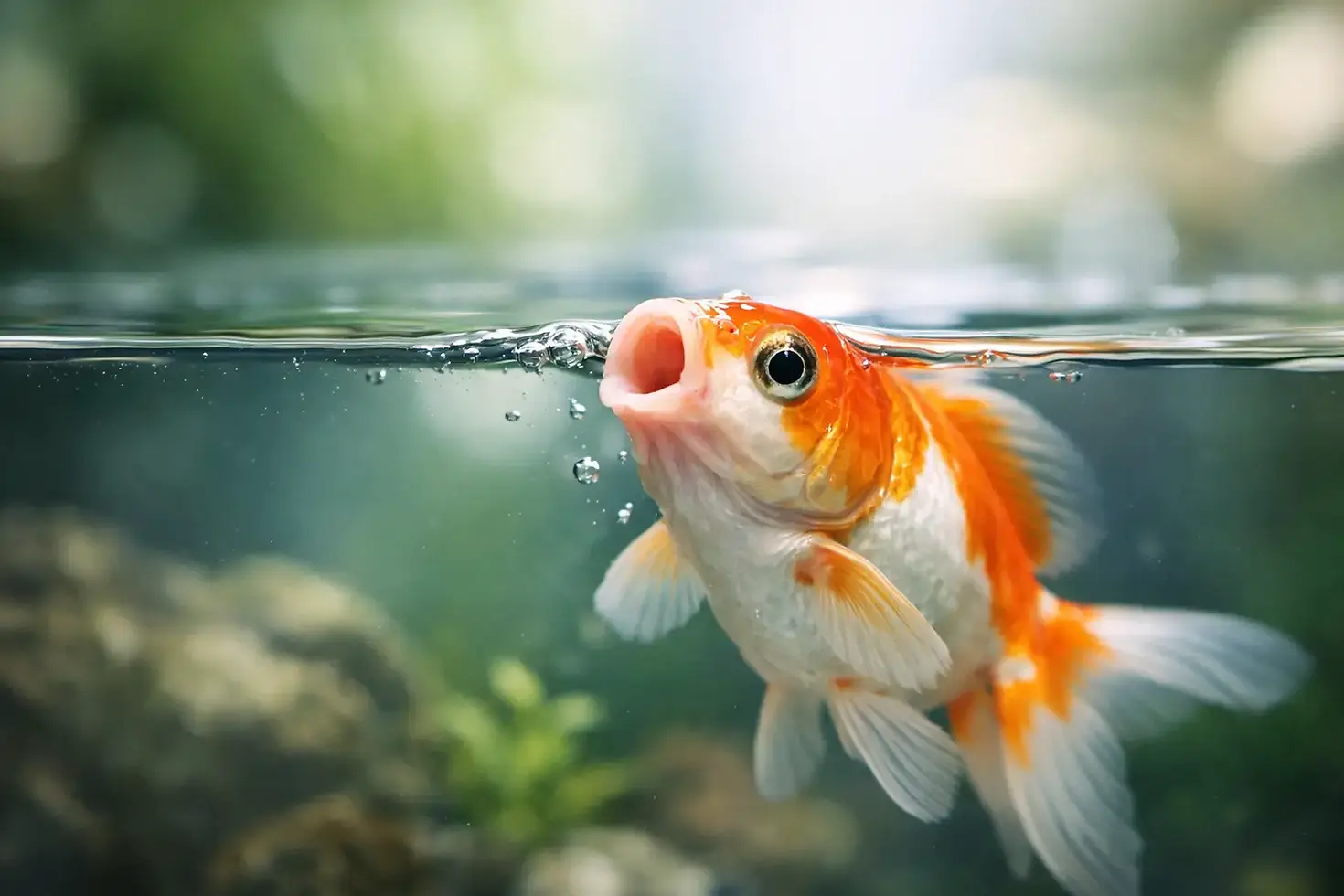
A fish hanging at the surface, pumping its mouth and gill covers, is not giving you a vague warning. It is showing respiratory distress. If you are asking, why is my fish gasping, treat that sign as urgent. In many cases, you are looking at low oxygen, toxic water conditions, or gill damage, and the difference between a quick correction and a delayed response can be the difference between recovery and losses.
The key is not to jump straight to a medication. Gasping is a symptom, not a diagnosis. The fish is telling you it cannot get enough usable oxygen, either because there is too little oxygen in the water, too much toxic waste interfering with respiration, or disease affecting the gills.
Why is my fish gasping? Start with the environment
The first question is simple: is the entire tank affected, or only one or two fish? If multiple fish are at the surface, breathing heavily, suspect a water problem first. If one fish is gasping while the others look normal, gill disease or individual stress becomes more likely.
Low dissolved oxygen is one of the most common reasons fish gasp near the surface. Surface water has the highest contact with air, so distressed fish often move there first. Warm water holds less oxygen than cool water. Overstocking increases oxygen demand. Heavy feeding, decaying plant material, and dirty filters consume oxygen as organic matter breaks down. A tank can look clear and still be dangerously low in oxygen.
Poor water movement often makes the problem worse. If the surface is flat and stagnant, gas exchange is limited. This is especially common in heavily stocked aquariums, quarantine systems, and tanks with undersized filtration. During summer heat, after transport, or after a power outage, oxygen crashes can happen quickly.
Ammonia and nitrite must also be high on your list. Ammonia irritates and burns the gills, making oxygen uptake difficult even if oxygen is present. Nitrite interferes with the blood's ability to carry oxygen. The fish may behave as though it is suffocating because, physiologically, it is. In both cases, gasping may appear before obvious external lesions.
A recent change in the tank often provides the clue. Did you add many fish at once? Clean the filter too aggressively? Increase feeding? Lose aeration overnight? Use a treatment that reduced oxygen? Disturb the substrate and release waste? These details matter because they narrow the cause far faster than guessing from breathing alone.
The most common causes of fish gasping
When fish gasp, the underlying causes usually fall into a few practical categories.
Low oxygen in the water
This is the classic scenario. Fish gather at the surface, ventilation is rapid, and the problem may worsen overnight or in the early morning. Warm temperatures, overcrowding, excess organic waste, and poor surface agitation all contribute. In ponds, algae blooms can create major oxygen swings, especially before sunrise.
Ammonia or nitrite toxicity
In a new tank, after a filter disruption, or in an overstocked system, ammonia and nitrite are frequent causes. Fish may gasp, clamp fins, hover near water movement, or show reddened gills. The danger here is that adding medicine without correcting the water makes the situation worse, not better.
Gill disease
If only one fish is affected, or if gasping continues despite good water quality, inspect for gill pathology. Gill flukes, protozoan infections, bacterial gill disease, and severe irritation from toxins can all produce rapid breathing. Sometimes the fish flashes, scratches, isolates, or keeps one operculum partly closed. In advanced cases, the gills may appear pale, swollen, darkened, or covered with excess mucus.
High temperature
A heater malfunction or hot room can trigger gasping quickly. As water gets warmer, fish metabolism rises while oxygen availability drops. That combination is dangerous, especially for larger fish and heavily stocked tanks.
Chemical irritation or contamination
Chlorine, chloramine, aerosol contamination, cleaning products, metal exposure, or overdosed treatments can all damage gill tissue. The fish may gasp suddenly after a water change or after using a product in or near the tank. When the timing is abrupt, think chemical exposure.
Carbon dioxide imbalance and poor gas exchange
In planted systems, tanks with sealed lids, or systems with weak aeration, carbon dioxide can accumulate, especially at night. The result can resemble low oxygen. The practical response is similar at first - increase aeration and surface movement - but the system design may need adjustment.
What to check immediately
If you want a useful diagnosis, do not rely on appearance alone. Test and observe.
Start with temperature, ammonia, nitrite, and pH. If possible, also check dissolved oxygen or at least assess aeration and surface movement honestly. Watch whether all fish are affected or only certain species or individuals. Inspect the gills if the fish can be viewed safely. Fast gill movement without obvious body lesions often points you toward water quality or gill-specific disease.
Look at the timeline. A fish that started gasping right after a water change suggests a different cause than a fish that has worsened slowly over a week in a neglected tank. Good diagnosis is built on sequence: what changed first, what symptoms followed, and how many animals are involved.
It is also worth noting that some species naturally spend time near the surface. Labyrinth fish, for example, may take atmospheric air normally. Surface behavior alone is not enough. True distress includes persistent rapid breathing, loss of balance, hanging under the outflow, reduced response, and widespread abnormal behavior.
What to do when your fish is gasping
The first goal is stabilization. Increase aeration immediately. Raise surface agitation, add an air stone, increase filter outflow, or lower the water level slightly so the return breaks the surface more strongly. This simple step often buys time and may save fish within minutes to hours.
Next, check temperature and bring it back to a safe range gradually if it is elevated. Do not swing temperature rapidly unless there is a severe emergency. Then perform a partial water change with properly conditioned water if ammonia, nitrite, or contamination is suspected. In most situations, this is safer and more useful than reaching for medication first.
Reduce feeding for the moment. Extra food increases waste and oxygen demand. Remove dead fish, decaying plants, and obvious debris. Confirm the filter is running properly, but do not sterilize the biological media during an active water-quality crisis.
If water tests are normal and only one or a few fish continue to gasp, move your attention toward disease of the gills. That is the point where close visual examination becomes essential. Excess mucus, asymmetric gill movement, flashing, or secondary lesions can shift the diagnosis toward parasites or infection. A broad, blind treatment approach is not ideal. Different gill problems require different responses, and some medications lower oxygen further.
This is where serious fish keepers benefit from visual diagnostic references. A symptom like gasping becomes far more manageable when you can compare gill appearance, body posture, and associated lesions against documented disease patterns with photographs and treatment guidance.
When it is not just low oxygen
One of the biggest mistakes in ornamental fish care is assuming every gasping fish simply needs more bubbles. Aeration helps in many cases, but it does not remove ammonia, reverse nitrite toxicity, or cure gill flukes. A fish may improve briefly with extra oxygen and still decline because the real cause remains active.
Another mistake is treating the whole tank with a strong medication before checking the basics. Some treatments reduce dissolved oxygen or stress already damaged gills. If the fish is in respiratory distress, every intervention should be weighed against that risk.
It also depends on the system. In a pond, gasping after a hot night may point to oxygen depletion from algae and organic load. In a marine aquarium, respiratory distress may be linked to pH shift, contamination, transport stress, or parasitic gill involvement. In a shrimp tank, any unexplained gasping fish should raise concern about toxins, biofilter instability, or recent product use. The symptom is similar, but the context changes the probability.
Why accurate diagnosis matters
Fish often show only a limited number of external distress signs. Gasping, clamped fins, lethargy, and isolation can appear in very different diseases. That is why experienced diagnosis does not stop at the first visible symptom. It moves from symptom to pattern.
Pattern means asking what else is present: Are the gills pale or inflamed? Is there excess mucus? Are there ulcers, flashing, or darkening? Did the problem spread after new stock arrived? Did it start after a maintenance error? In specialist fish health work, these details are not secondary. They are the diagnosis.
For keepers who want practical, treatment-oriented guidance rather than guesswork, Gerald Bassleer Books has long focused on exactly this approach: matching visible signs with the most likely disease process and the right next step.
If your fish is gasping, act quickly, but think clearly. Stabilize the environment first, verify the water, then examine the gills and the full symptom picture. Fast action is useful only when it is tied to correct diagnosis, and fish usually reward that precision.


Opmerkingen